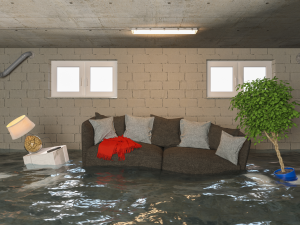
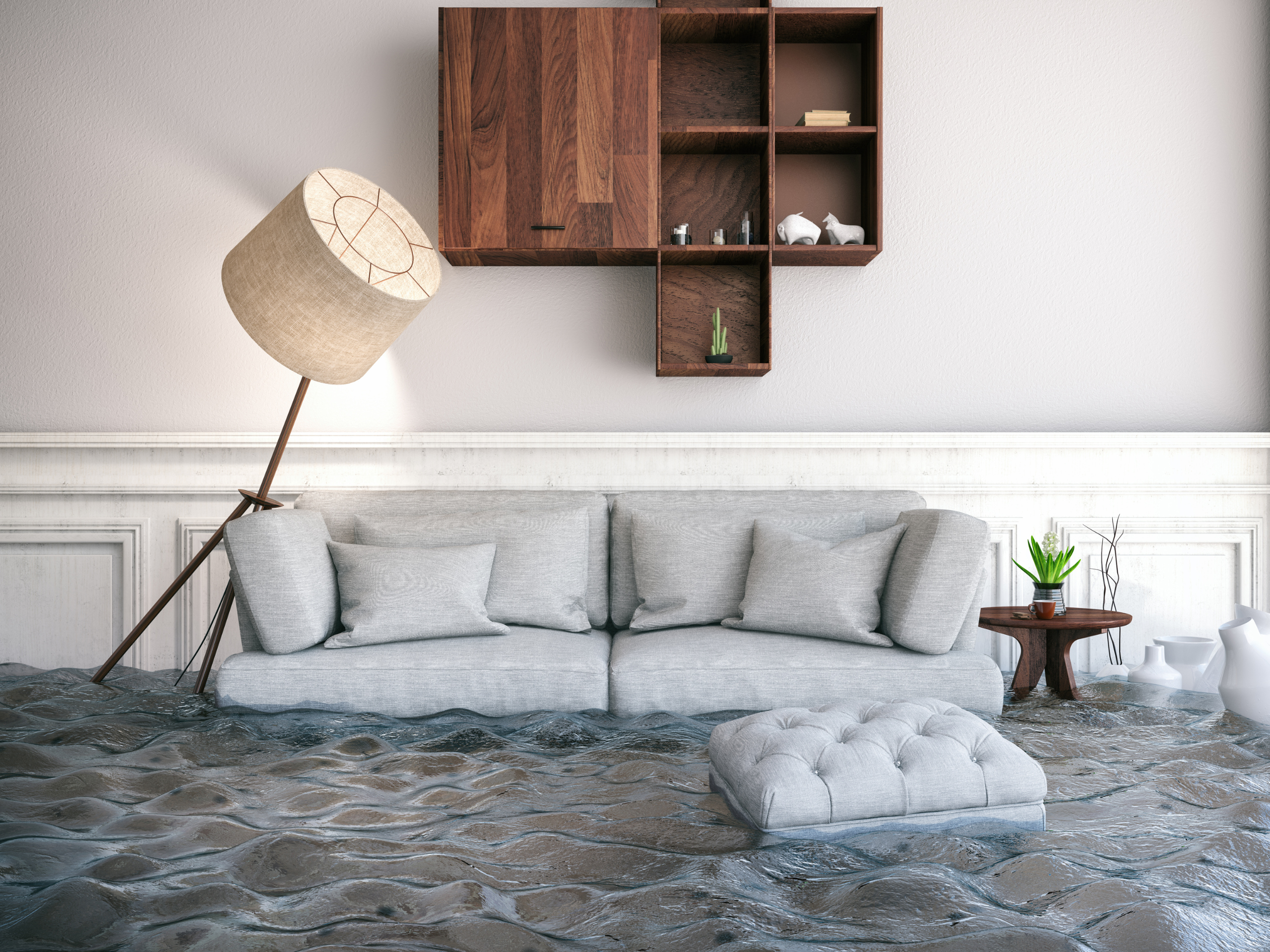
Water damage can strike unexpectedly—whether from a burst pipe, leaking appliance, or flooding. What you do in the first 24 hours after water damage can mean the difference between a quick recovery and costly, long-term damage.
At Restoration and Recovery Contractors of America, we’ve seen how immediate action can save homes and protect families. In this guide, we’ll walk you through the critical steps you must take in the first day after water damage hits your home.
Why Acting Fast Matters
Water spreads quickly, soaking into floors, walls, and belongings. Within hours, moisture can cause:
- Structural weakening of wood and drywall
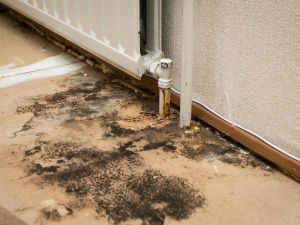
- Mold and mildew growth
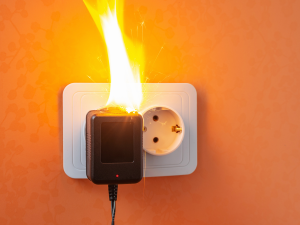
- Electrical hazards
- Damage to personal belongings
The longer water sits, the worse these problems get. That’s why your first 24 hours are crucial.
Step 1: Ensure Safety First
Before you do anything else:
- Turn off electricity if water is near outlets, switches, or appliances.
- If the water damage is caused by flooding, avoid contact with floodwaters—they may be contaminated.
- Evacuate the area if the structure feels unsafe.
Your safety is the top priority.
Step 2: Stop the Source of Water
Identify where the water is coming from and stop it if you can:
- Shut off your home’s main water valve if a pipe has burst.
- Turn off leaking appliances like washing machines or water heaters.
- For external flooding, try to block or divert water if possible—but don’t put yourself at risk.
Stopping the source will help limit additional damage.
Step 3: Document the Damage
For insurance purposes, take clear photos and videos of:
- Affected areas
- Damaged personal items
- The source of the water damage
Keep records of all communication with your insurance company, contractors, and any expenses you incur.
Step 4: Remove Standing Water
If it’s safe and manageable:
- Use mops, towels, or a wet/dry vacuum to remove standing water.
- Open windows and doors to increase ventilation if weather permits.
- Move furniture, rugs, and valuables out of the affected areas to prevent further damage.
Avoid using household vacuums—they aren’t designed for water cleanup.
Step 5: Begin Drying and Dehumidifying
Drying out your home as quickly as possible reduces mold risk:
- Use fans and dehumidifiers to circulate air and reduce moisture levels.
- Raise furniture off wet floors to allow airflow underneath.
- Remove wet cushions and fabrics to dry separately.
Professional-grade equipment is often necessary for thorough drying—especially for large or hidden moisture.
Step 6: Call a Water Damage Restoration Professional
While you can take immediate steps, professional restoration specialists have the tools, training, and experience to:
- Extract hidden water
- Dry and sanitize affected areas
- Prevent mold and secondary damage
Don’t delay this call. Early professional intervention saves money and stress in the long run.
Bonus Tips: What Not to Do
- Don’t use electrical appliances in wet areas.
- Avoid walking on wet carpet to prevent tracking water further.
- Don’t delay calling your insurance company.
- Don’t attempt major repairs yourself—improper fixes can cause more damage.
Final Thoughts
The first 24 hours after water damage are a critical window to protect your home. By staying safe, stopping the water, documenting the damage, and acting quickly to dry out your property, you can reduce the overall impact.
If water damage has affected your home, Restoration and Recovery Contractors of America is ready to help 24/7 with trusted water damage cleanup and restoration services.