Water damage is one of the most common—and costly—problems homeowners face. Whether it’s from a burst pipe, a slow leak, flooding, or even high humidity, water can cause serious structural damage and create health hazards if left untreated.
At Restoration & Recovery Contractors of America, we help homeowners recover from water damage, and we know that the best defense is a good understanding of the problem.
This guide will help you recognize the causes and signs of water damage, understand the risks involved, and learn the critical steps to take if water damage occurs in your home.
Common Causes of Water Damage
Water damage can come from a variety of sources, including:
- Leaking or burst pipes: Aging plumbing or sudden bursts can flood rooms quickly.
- Appliance failures: Malfunctioning water heaters, washing machines, dishwashers, or refrigerators.
- Roof leaks: Damaged shingles or flashing can allow rainwater to seep in.
- Flooding: From storms, overflowing rivers, or poor drainage around your property.
- Clogged gutters or drains: Water backs up and penetrates walls or foundations.
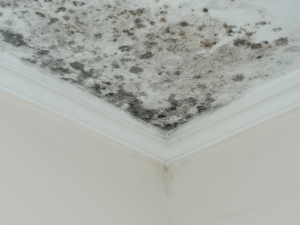
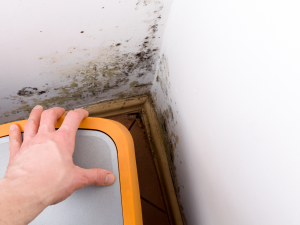
- Condensation and humidity: Persistent moisture buildup that can lead to mold growth.
Signs You May Have Water Damage
Water damage is not always obvious. Look out for these warning signs:
- Discolored or peeling paint and wallpaper
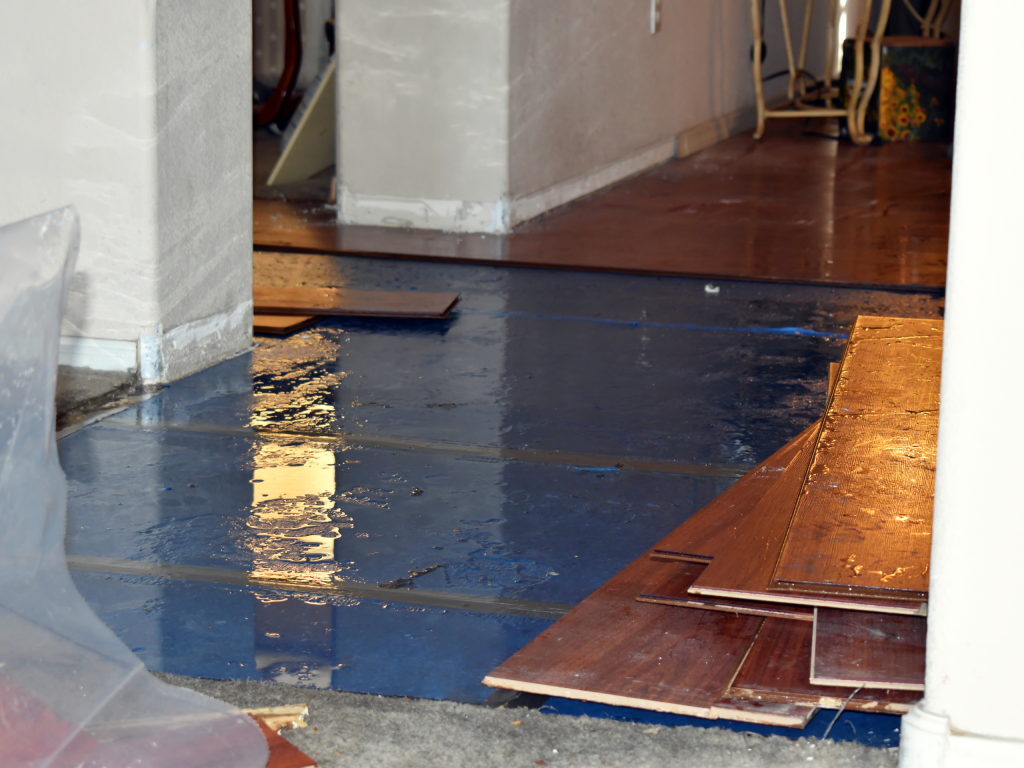
- Warped, buckled, or soft flooring
- Musty or moldy odors
- Visible mold or mildew growth
- Water stains on ceilings or walls
- Dripping or pooling water
- Higher water bills without explanation
Early detection is key to preventing extensive damage.
The Risks of Untreated Water Damage
Ignoring water damage can lead to:
- Structural deterioration: Wood rot, weakened foundations, and damaged drywall
- Mold and mildew: Potential health hazards including allergies and respiratory issues
- Electrical hazards: Water contact with wiring increases fire risk
- Decreased property value: Untreated damage can cause lasting financial loss
What to Do Immediately After Water Damage
If you discover water damage:
- Ensure safety first. Turn off electricity if water is near outlets or wiring.
- Stop the source of water, if possible. Shut off the main water valve or fix leaking appliances.
- Document the damage. Take photos and videos for insurance claims.
- Remove standing water. Use pumps, wet vacuums, or towels to limit further damage.
- Call a professional. Restoration experts have the equipment and expertise to properly dry and clean your home.
Preventing Water Damage
Prevention is always better than repair. Here are a few tips to protect your home:
- Regularly inspect and maintain your roof, gutters, and plumbing.
- Install water leak detectors near high-risk appliances.
- Ensure proper grading and drainage around your foundation.
- Keep humidity levels low with dehumidifiers and ventilation.
- Know the location of your main water shutoff valve.
Why Professional Water Damage Restoration Matters
Water damage restoration is more than just drying out your home. It involves:
- Thorough water extraction and drying with industrial equipment
- Moisture control to help prevent mold growth
- Cleaning and disinfecting to remove contaminants
At RRCA, we provide water extraction, drying, and cleanup so you can get back to normal quickly and safely.
Final Thoughts
Water damage is a serious threat to any home, but with knowledge and quick action, it can be managed and minimized. Stay vigilant, act fast, and trust the experts when you need help.