House fires are devastating—but the good news is that many are completely preventable. According to the National Fire Protection Association (NFPA), most residential fires start from everyday household activities or systems that go unchecked.
At Restoration & Recovery Contractors of America, we’ve seen the impact of house fires on families. That’s why we’re passionate about helping homeowners stay safe—not just recover.
Below, we break down the top three causes of house fires, how they happen, and most importantly, how to prevent them.
🔥 1. Cooking Fires: The #1 Cause of House Fires
Why It Happens:
Cooking fires account for nearly half of all home fires. Most start when food is left unattended on the stove, oils overheat, or flammable items (like towels or wooden utensils) are too close to the heat source. Grease fires in particular can spread within seconds if not handled properly.
Prevention Tips:
- Never leave cooking food unattended, even for a minute.
- Keep flammable objects like paper towels, oven mitts, and plastic away from the stove.
- Turn pot handles inward to avoid accidental spills.
- If a grease fire starts, never use water. Cover the flames with a metal lid or use a Class B or multi-purpose (ABC) fire extinguisher.
Bonus Tip: Install a stove-top fire suppression device or automatic shutoff for electric cooktops.
⚡ 2. Electrical Fires: A Hidden Hazard
Why It Happens:
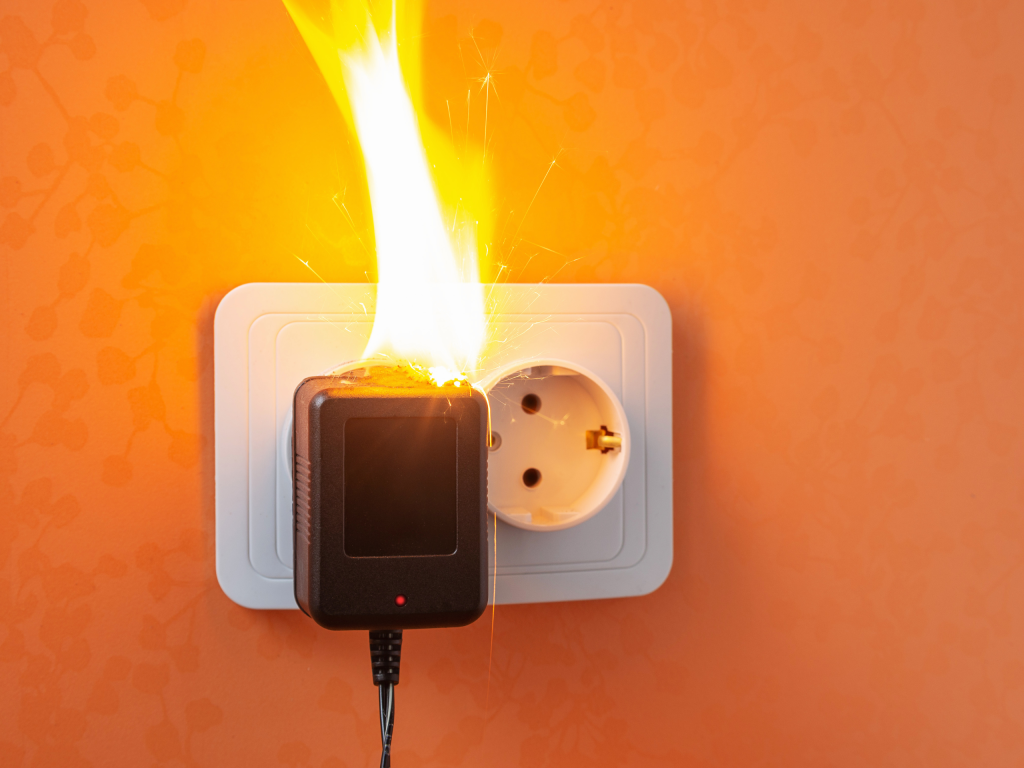
Faulty wiring, overloaded outlets, outdated appliances, and misuse of extension cords are all common causes of electrical fires. Often, these fires begin behind walls or in attics, making them particularly dangerous because they can go unnoticed until it’s too late.
Prevention Tips:
- Have your home’s electrical system inspected every 10 years—especially in older homes.
- Don’t overload outlets or power strips. Plug only one high-wattage appliance into an outlet at a time.
- Replace frayed cords or flickering light fixtures immediately.
- Use only UL-listed power strips and surge protectors—never daisy-chain them.
- Consider installing arc fault circuit interrupters (AFCIs) for extra protection.
Warning Signs: Frequently tripped breakers, burning smells, and warm outlets are all red flags.
❄️ 3. Heating Equipment Fires: A Cold-Weather Concern
Why It Happens:
Space heaters, fireplaces, and even central heating systems can cause fires if not properly maintained or monitored. Portable heaters placed too close to curtains, bedding, or furniture are a major risk during the winter months.
Prevention Tips:
- Keep all flammable materials at least 3 feet away from heaters or fireplaces.
- Never leave a space heater on unattended, especially overnight.
- Have your chimney and heating system inspected annually by a licensed professional.
- Use heaters with built-in safety features like tip-over shutoff and overheat protection.
Tip: Install carbon monoxide detectors near heating sources for added safety.
🎯 Fire Prevention Starts with Awareness
You don’t need to overhaul your entire home to prevent a fire—you just need to make smart, consistent decisions. Keep your smoke detectors working, know where your fire extinguisher is, and take extra caution with heat, electricity, and open flames.
If you’re ever unsure about your home’s fire risk, it’s worth scheduling a home safety inspection from a licensed electrician, HVAC professional, or fire safety specialist.
🧯 Already Had a Fire? We’re Here to Help.
If your home has suffered from fire or smoke damage, Restoration & Recovery Contractors of America can guide you through fire and smoke cleanup—call 850-754-9957.