Mold in the home can be stressful and frustrating. Many homeowners consider DIY mold removal to save money and quickly address the problem. While some small mold issues can be handled safely on your own, other situations require professional intervention to avoid health risks and further damage.
At Restoration and Recovery Contractors of America, we want to help you understand when DIY mold removal is appropriate and when it’s best to call in the experts.
When Is DIY Mold Removal Safe?
1. Small Areas of Mold (Less Than 10 Square Feet)
The EPA suggests that mold growth covering less than about 10 square feet can typically be managed by homeowners. This might be a small patch on a bathroom wall or ceiling.
2. Non-Porous Surfaces
Mold on hard surfaces like tile, glass, or metal can usually be cleaned safely with appropriate cleaning agents and protective gear.
3. No Underlying Moisture Issues
If the mold is superficial and caused by a minor, resolved moisture issue (such as wiping up condensation), DIY cleaning is more feasible.
4. No Health Sensitivities
If no one in the household has mold allergies, asthma, or compromised immunity, a cautious DIY approach may be acceptable.
When DIY Mold Removal Is NOT Safe
1. Large or Widespread Mold Infestations
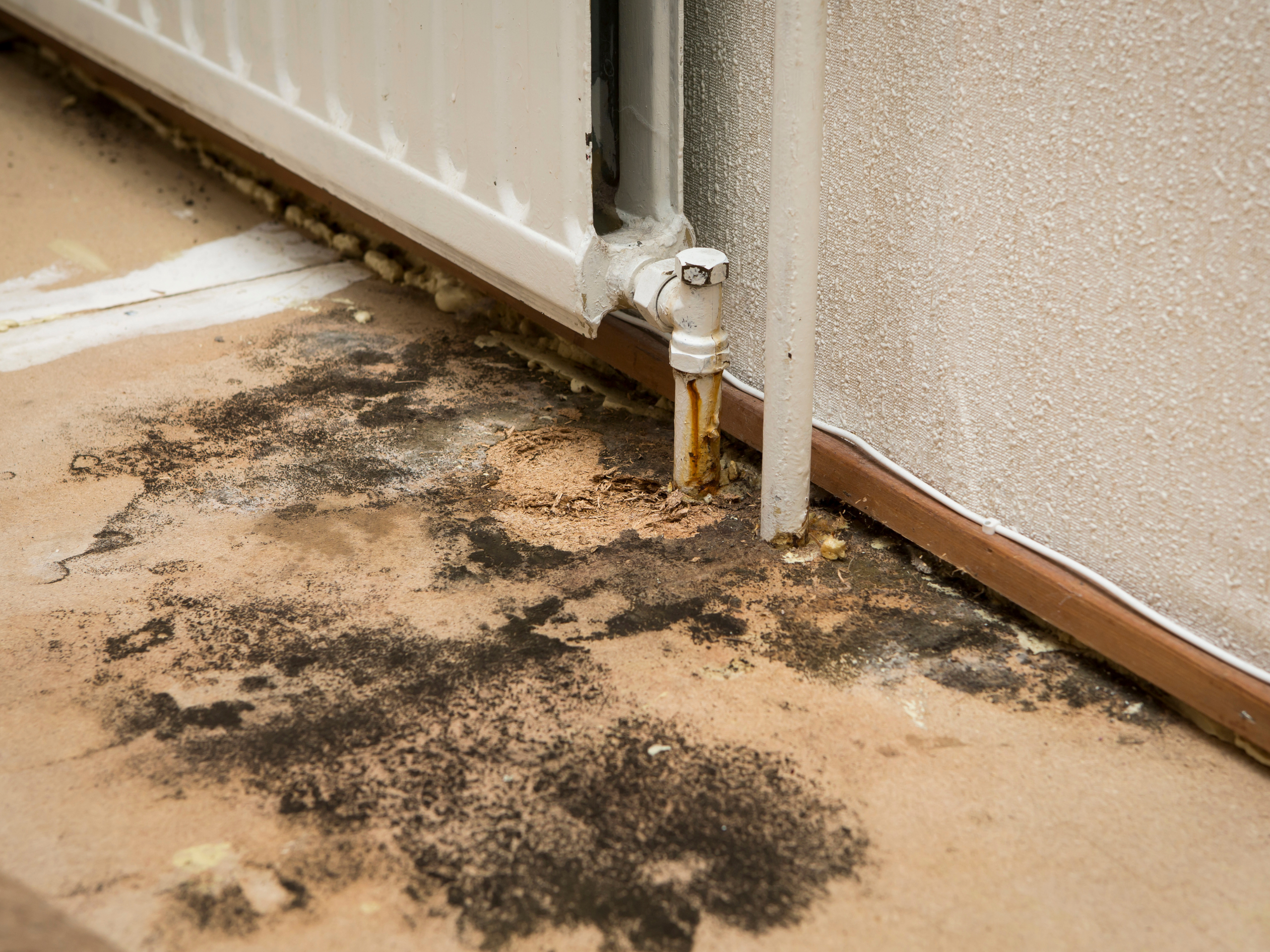
Mold covering more than 10 square feet usually indicates a bigger moisture problem and requires professional remediation.
2. Porous Materials Like Drywall or Insulation
Mold penetrates porous materials deeply, making DIY cleaning ineffective and risking spreading spores.
3. Hidden Mold
If mold is suspected behind walls, under flooring, or inside HVAC systems, specialized tools and expertise are needed.
4. Health Concerns
Households with children, elderly, or individuals with respiratory conditions should avoid DIY mold removal due to health risks.
5. Toxic or Black Mold
Certain mold species produce harmful mycotoxins. Proper testing and professional removal are necessary.
DIY Mold Removal Safety Tips
- Always wear gloves, a mask (N95 or better), and eye protection.
- Use a HEPA vacuum to remove loose spores after cleaning.
- Clean surfaces with detergent and water, then disinfect with a solution like diluted bleach (if safe for the surface).
- Avoid dry sweeping or using a regular vacuum, which can spread spores.
- Contain the area by closing doors and windows to prevent spores from spreading.
- Dispose of contaminated materials carefully and clean tools afterward.
Why Professional Mold Remediation Matters
Professionals have the training, equipment, and expertise to:
- Identify the root cause of mold growth.
- Access hidden or hard-to-reach areas safely.
- Use specialized containment and removal methods.
- Ensure thorough cleanup to prevent recurrence.
- Protect your family’s health during the remediation process.
Final Thoughts
DIY mold removal can be a practical solution for small, contained mold problems. However, understanding its limits is critical to avoid worsening the issue or exposing yourself to health hazards.
If you’re unsure or dealing with a significant mold problem, contact a licensed mold professional.