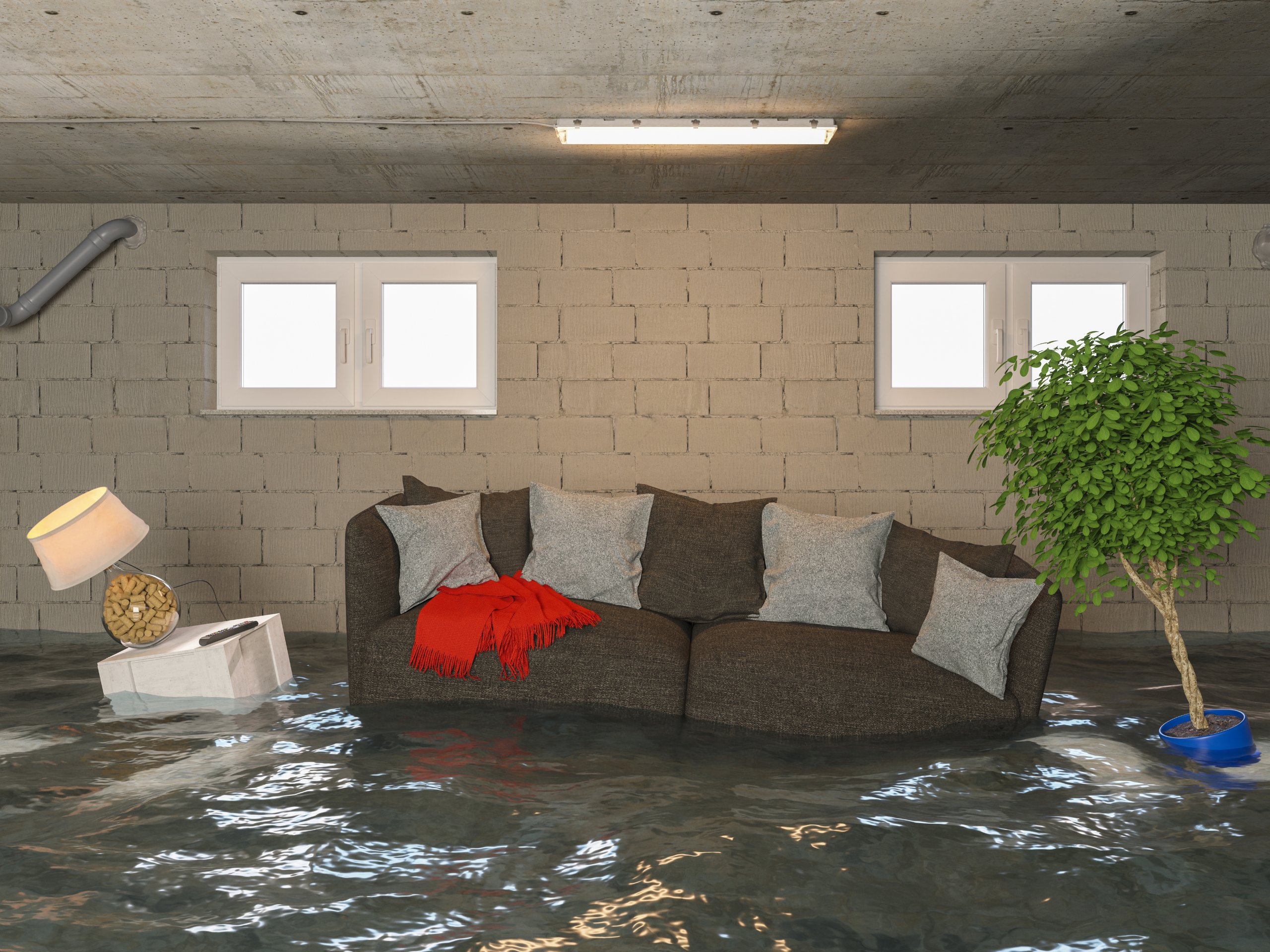
Water damage is one of the most common and costly problems homeowners face—but the best damage is the kind you never have to deal with. Prevention is the key to keeping your home dry, safe, and structurally sound.
At Restoration and Recovery Contractors of America, we’ve helped countless families recover from water disasters, and we know that many of these tragedies could have been avoided with simple precautions.
In this guide, we’ll walk you through practical, easy-to-follow steps to prevent water damage before it even starts.
1. Regular Roof and Gutter Maintenance
Your roof and gutters are your home’s first line of defense against water intrusion.
- Inspect your roof at least twice a year for damaged or missing shingles, cracked flashing, or worn seals around vents and chimneys.
- Clean gutters and downspouts regularly to prevent blockages that cause water overflow near your foundation.
- Ensure downspouts direct water at least 3–4 feet away from your home to avoid pooling near the foundation.
Proper roof and gutter upkeep prevent leaks and protect your home’s structure.
2. Inspect and Maintain Plumbing
Plumbing issues are a major cause of water damage inside the home.
- Check exposed pipes regularly for signs of corrosion, leaks, or moisture.
- Insulate pipes in colder areas of your home to prevent freezing and bursting during winter.
- Replace old or damaged hoses on appliances like washing machines and dishwashers.
- Consider installing water leak detection devices that alert you to leaks early.
A little plumbing maintenance can prevent costly water damage and flooding.
3. Monitor Appliances and Water-Using Systems
Appliances like water heaters, dishwashers, and washing machines can malfunction or leak unexpectedly.
- Inspect hoses and connections annually and replace them if brittle or cracked.
- Keep appliances on drain pans where possible to catch leaks before they spread.
- Turn off water supply to appliances when away for extended periods.
4. Maintain Proper Grading and Drainage
Water should always flow away from your home, not toward it.
- Ensure your yard is graded so water drains away from the foundation.
- Check for clogged or broken drainage pipes around your home.
- Consider installing French drains or sump pumps in areas prone to water accumulation.
Good drainage prevents basement flooding and foundation damage.
5. Control Indoor Humidity
Excess moisture inside your home can lead to condensation, mold, and water damage.
- Use dehumidifiers in damp areas like basements and crawl spaces.
- Ventilate bathrooms and kitchens by using exhaust fans or opening windows.
- Fix any leaks or water intrusion promptly to prevent mold growth.
6. Know Your Water Shutoff Valves
In case of a leak or burst pipe, being able to quickly shut off your water supply is crucial.
- Locate your main water shutoff valve and make sure everyone in your household knows where it is.
- Test the valve periodically to ensure it’s functioning.
- Consider installing automatic shutoff systems that detect leaks and stop water flow immediately.
7. Schedule Professional Inspections
Some issues are hard to spot without expert eyes.
- Have a licensed plumber inspect your pipes every few years.
- Schedule roof and foundation inspections annually or after severe weather.
- Professional assessments can catch small problems before they become big ones.
Final Thoughts
Water damage prevention isn’t about one big fix—it’s about consistent care and awareness. By following these practical steps, you’ll reduce the risk of leaks, flooding, and moisture damage that can disrupt your life and drain your finances.
At Restoration and Recovery Contractors of America, we’re committed to helping homeowners protect their most valuable investment—their home. If you ever need assistance with water damage restoration or inspections, we’re just a call away.