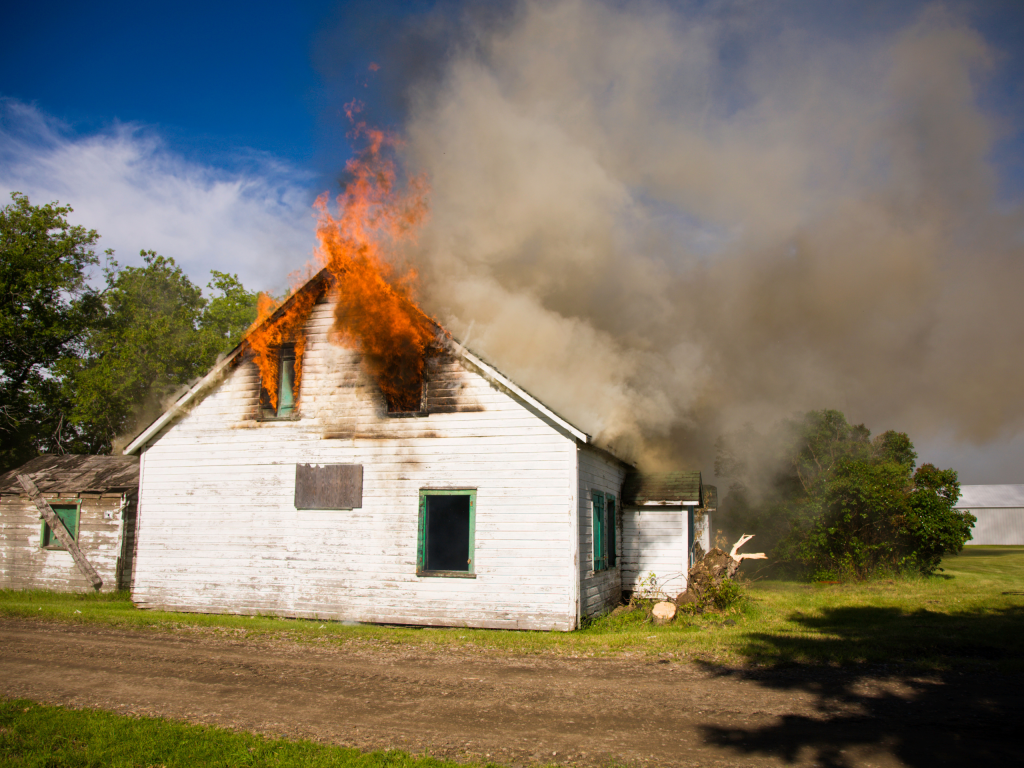
Smoke contains tiny particles of carbon, ash, and a mix of chemicals that are byproducts of burned materials like plastic, wood, fabric, and electronics. These particles:
- Penetrate deep into porous surfaces (like drywall, upholstery, insulation, and wood)
- Settle into cracks, vents, and HVAC systems
- Continue to release unpleasant—and sometimes harmful—odors over time
Even if you scrub the surface clean or repaint, smoke particles beneath the surface can resurface with heat or humidity, making DIY deodorizing methods ineffective in the long term.
Professional Smoke Odor Removal Techniques
So what actually works? Let’s take a look at the most effective smoke odor removal techniques used by restoration professionals:
🔹 Ozone Treatment
What it is: Ozone generators release O₃ molecules into the air, which bind to and neutralize smoke odor particles at a molecular level.
Best for: Whole-home odor removal, especially after major fires.
Why it works: Ozone penetrates deeply and reacts with odor-causing particles, destroying them rather than just masking the smell. It’s highly effective—but the area must be unoccupied during treatment due to health risks.
🔹 Thermal Fogging
What it is: A deodorizing chemical is heated and turned into a fog, which is dispersed throughout the home, mimicking the path smoke took during the fire.
Best for: Reaching hidden smoke-affected areas like insulation, walls, and HVAC ducts.
Why it works: The fog reaches into cracks, crevices, and air systems, bonding with and neutralizing odor-causing particles. It’s especially useful when smoke has infiltrated structural components.
🔹 Hydroxyl Generators
What it is: These machines use UV light to produce hydroxyl radicals, which naturally break down smoke molecules and odors.
Best for: Environments that need to remain occupied during treatment (unlike ozone).
Why it works: Hydroxyls are safe for people, pets, and plants, making them a great solution for homes where full evacuation isn’t feasible. They’re slower than ozone but still effective.
🔹 HEPA Filtration & Air Scrubbers
What it is: High-efficiency particulate air (HEPA) filters combined with air scrubbers remove fine smoke particles from the air.
Best for: Ongoing air quality improvement during and after odor removal.
Why it works: They trap microscopic particles that contribute to odors and poor indoor air quality. Often used in combination with other techniques.
🔹 Content Cleaning & Odor Sealing
What it is: Personal items, furniture, and textiles are cleaned using specialized equipment, and structural materials may be sealed with odor-blocking primers.
Best for: Items and materials that can’t be replaced but still retain odor.
Why it works: Contents like clothing and upholstery are treated with ozone or solvent-based cleaners, while smoke-damaged walls or beams are sealed to prevent odor from re-emerging.
Why DIY Methods Fall Short
You’ve probably seen dozens of DIY smoke odor remedies: vinegar bowls, baking soda, charcoal bags, even candles or air fresheners. While these may provide temporary relief, they won’t remove embedded smoke particles.
In fact, DIY efforts can actually make things worse by spreading particles around, masking warning signs, or driving odors deeper into fabrics and materials.
For thorough, permanent odor removal, professional equipment and expertise are essential.
The Restoration Process: How It All Comes Together
At RRCA, our smoke odor removal process is tailored to the severity of the fire, the layout of the home, and the materials involved. Here’s a typical flow:
- Inspection & Air Quality Assessment
We evaluate the source, strength, and spread of smoke odors throughout your home. - Source Removal
Any remaining soot, debris, or visibly affected materials are cleaned or removed. - Odor Removal Plan
Based on your home’s layout and contents, we implement the right combination of ozone, fogging, hydroxyl treatment, and air scrubbing. - Content Cleaning
Salvageable items are taken off-site for deep cleaning and deodorizing. - Odor Sealing (if needed)
Walls, studs, or ductwork that absorbed odor may be sealed to permanently block smells from re-emerging. - Final Testing
We use air quality meters and odor tests to ensure your home is clean, safe, and comfortable.
Final Thoughts: Don’t Let Smoke Odor Linger
Smoke odors are more than just unpleasant—they’re a reminder of trauma, and they can negatively impact health and quality of life. If your home still smells like smoke after a fire, you don’t have to live with it.
Professional smoke odor removal is not just a cleaning task—it’s a science. And when done right, it can restore your home’s air quality, comfort, and peace of mind.
👃 Need Help Getting Rid of Smoke Odor for Good?
Call the team at Restoration & Recovery Contractors of America at 850-754-9957.