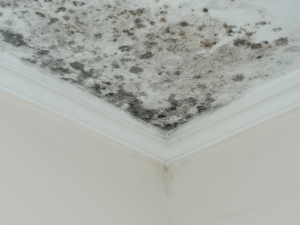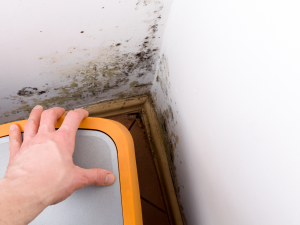
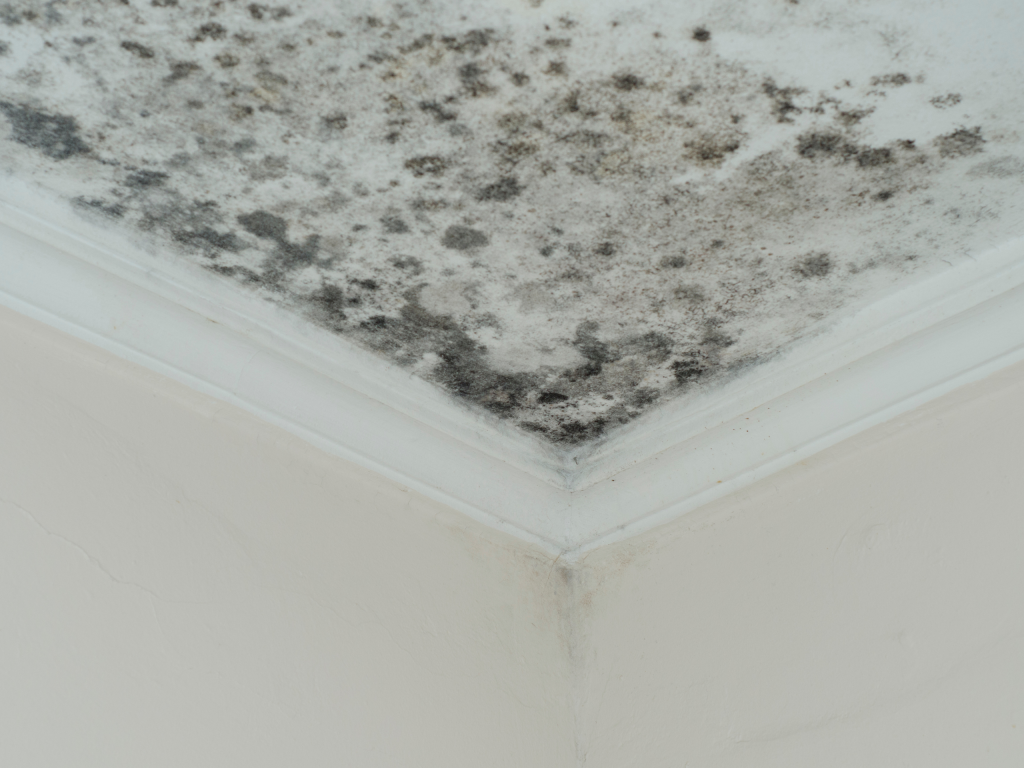
Mold is sneaky. It often grows out of sight, thriving in damp, dark, and poorly ventilated places inside your home. Because mold can cause health problems and damage to your property, knowing where it hides is the first step to prevention and early detection.
At Restoration & Recovery Contractors of America, we want homeowners to know where hidden mold starts so they can control moisture early. Here are the top 10 places mold loves to hide in your home—and what you should look for.
1. Bathrooms
Bathrooms are prime mold territory due to high humidity. Check shower curtains, grout lines, around sinks, and behind toilets where moisture accumulates.
2. Basements and Crawl Spaces
These areas often have poor ventilation and higher moisture levels from ground seepage, making them a hotspot for mold growth.
3. Underneath Sinks
Leaks or condensation under kitchen and bathroom sinks create the perfect damp environment for mold.
4. Around Windows and Window Sills
Condensation on windows, especially in colder months, can lead to mold growth on window frames and sills.
5. Behind Wallpaper and Drywall
Water damage hidden behind walls can cause mold colonies to grow undetected, often noticeable by a musty smell.
6. HVAC Systems and Air Ducts
Mold can grow inside your heating and cooling systems where moisture accumulates, then spread spores throughout your home.
7. Attics
Roof leaks and poor ventilation can create damp conditions in attics, encouraging mold on insulation, wood beams, or drywall.
8. Carpets and Underlayments
Spills, floods, or high humidity can cause mold to grow beneath carpets and their padding, often going unnoticed for a long time.
9. Laundry Rooms
Frequent moisture from washing machines and drying vents can promote mold growth on walls, floors, and behind appliances.
10. Around Plumbing Fixtures and Pipes
Even small leaks or condensation on pipes can lead to mold forming on surrounding materials.
Tips to Spot Mold in Hidden Areas
- Look for discoloration, stains, or fuzzy patches.
- Notice musty or damp odors.
- Pay attention to unexplained allergy or respiratory symptoms.
- Use a flashlight to inspect dark corners and behind furniture.
- Consider professional mold inspections for hard-to-reach areas.
Final Thoughts
Knowing where mold likes to hide in your home can help you catch it early before it becomes a health hazard or causes costly damage. Regular checks and moisture control are essential to keep your home mold-free. If you suspect mold but can’t locate it, contact a licensed mold professional. If water damage is the cause, RRCA can help with water damage cleanup.