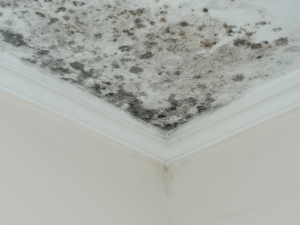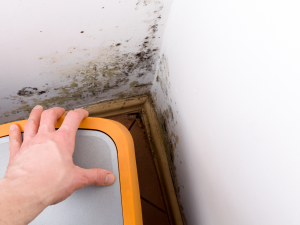
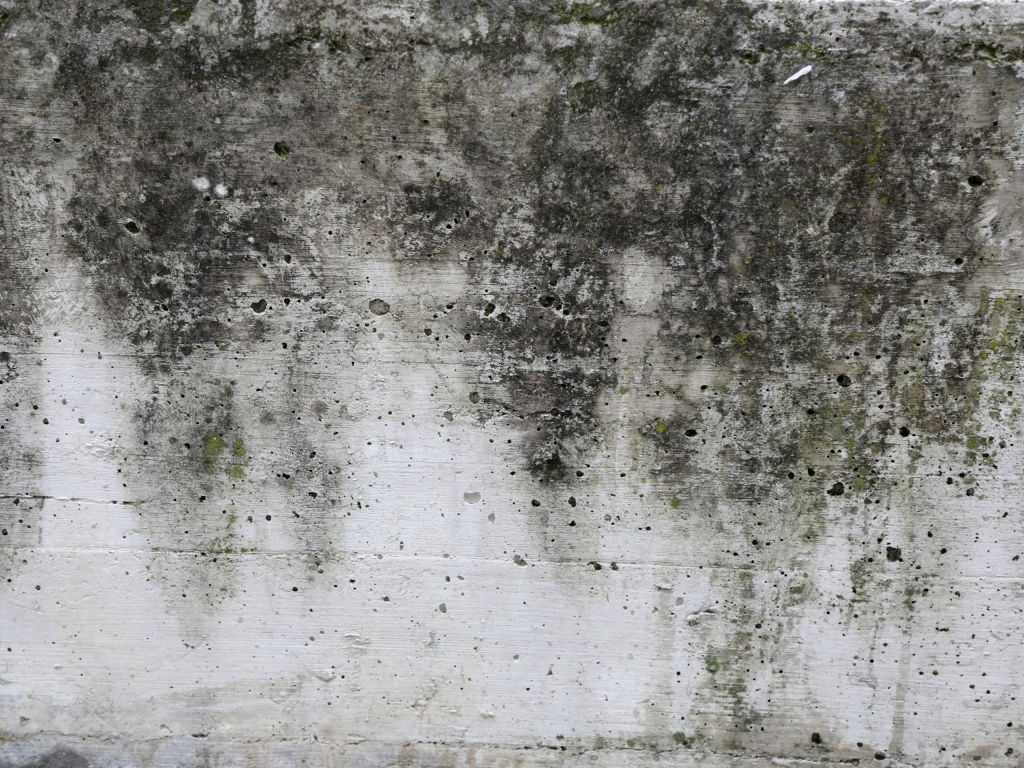
Flooding is one of the most destructive events a homeowner can face. Beyond the immediate water damage, flooding creates ideal conditions for mold to grow — and fast. In fact, mold can begin to develop within just 24 hours after floodwaters recede.
At Restoration & Recovery Contractors of America, we emphasize acting quickly to prevent mold and protect your home. Understanding why mold grows so rapidly after flooding can help you respond effectively.
Why Does Mold Grow So Quickly After a Flood?
Mold spores are naturally present in the environment—both outdoors and indoors. These spores remain dormant until they find moisture and organic materials to feed on, like wood, drywall, carpet, and insulation.
When floodwaters enter your home, they saturate these materials, creating the perfect breeding ground for mold. Warm temperatures and poor ventilation after flooding further accelerate mold growth.
The Critical 24-Hour Window
Within the first 24 hours after flooding:
- Surfaces remain damp and saturated, providing moisture for mold spores to activate.
- Mold can start colonizing porous materials like drywall, wood framing, and carpets.
- Airborne mold spores increase, raising the risk of contamination throughout your home.
Delaying cleanup allows mold colonies to establish and spread, making remediation more difficult, costly, and time-consuming.
Why Immediate Action Matters
- Prevent Health Risks: Mold releases allergens and mycotoxins that can affect your family’s respiratory health.
- Protect Structural Integrity: Mold weakens wood, drywall, and other materials, potentially leading to costly repairs.
- Avoid Secondary Damage: Untreated mold can spread to unaffected areas, increasing contamination.
What You Should Do Right After Flooding
- Remove standing water promptly using pumps or wet vacuums.
- Begin drying and ventilating your home immediately with fans and dehumidifiers.
- Discard porous materials soaked by floodwaters, such as carpets and drywall.
- Clean and disinfect all affected surfaces to inhibit mold growth.
- Call a water damage cleanup company to dry the property quickly, and a licensed mold professional if you see or smell mold.
Final Thoughts
Mold growth after flooding is not a problem to delay. The sooner you act, the better your chances of preventing serious mold infestations and protecting your home and health.
If your home has been affected by flooding, trust Restoration & Recovery Contractors of America for fast water extraction, drying, and cleanup—call 850-754-9957.