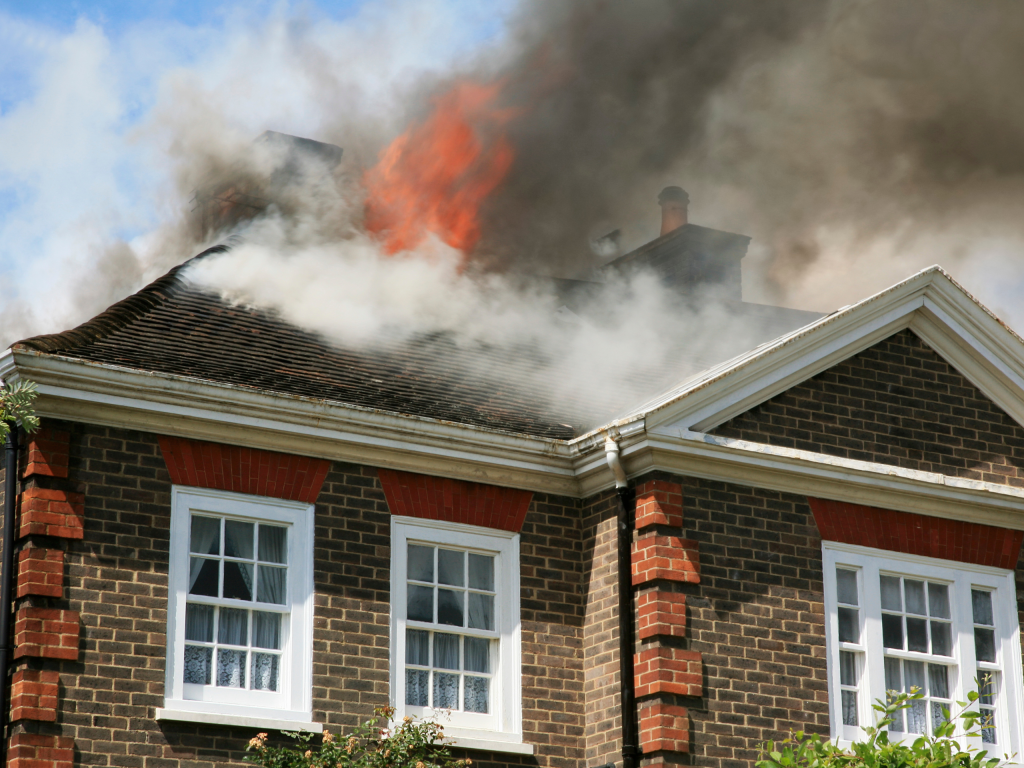
When the flames are out and the fire trucks leave, many homeowners breathe a sigh of relief. But here’s the reality: the real danger often begins after the fire is over.
At Restoration & Recovery Contractors of America, we’ve seen how post-fire environments can be just as hazardous—if not more so—than the fire itself. Here are the top 5 hidden dangers lurking in your home after a fire, and why professional restoration is critical.
1. Toxic Smoke & Soot Residue
Smoke doesn’t just smell bad—it clings to every surface in your home. After a fire, soot and smoke residues can contain:
- Carcinogens from burned plastics and electronics
- Heavy metals like lead and arsenic
- Tiny particles that can penetrate deep into your lungs
Even brief exposure can lead to:
- Respiratory issues
- Skin and eye irritation
- Long-term health effects
And no, regular household cleaners won’t remove these particles effectively. This is why professional smoke remediation is essential.
2. Compromised Structural Integrity
Fires weaken building materials from the inside out. The heat can cause:
- Warped support beams
- Cracked foundations
- Weakened roofing or floor structures
You may not see the damage immediately, but stepping into a burned-out room can be dangerous if the floor gives way or ceilings collapse.
Always have a structural inspection done by a licensed contractor or building official before re-entering or starting cleanup.
3. Electrical System Hazards
Fire and water (from firefighting efforts) can wreak havoc on your home’s electrical system. You may have:
- Melted wires behind walls
- Exposed circuits
- Risk of electrocution or future fire
Never turn the power back on until a licensed electrician or restoration professional inspects your system. Even a single spark can reignite a fire in compromised wiring.
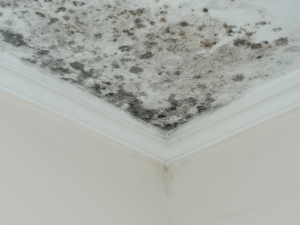
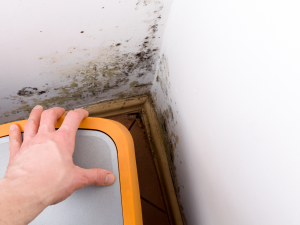
4. Mold and Mildew Growth
It might not be the first thing you think of after a fire, but mold loves moisture—and your home was likely soaked with water during firefighting efforts.
If not dried properly within 24–48 hours, you could face:
- Toxic black mold
- Allergic reactions
- Costly structural damage
Professional fire restoration companies use industrial-grade dehumidifiers and drying systems to prevent mold before it starts.
5. Insurance & Legal Pitfalls
One of the most overlooked dangers isn’t physical—it’s financial.
If you begin cleanup too early or improperly document damages:
- Insurance may deny or reduce your claim
- Evidence for cause-of-loss investigations may be compromised
- Delays in reporting can violate your policy terms
Always contact your insurance provider and a licensed restoration company before moving or throwing anything away.
What Should You Do Instead?
Dealing with the aftermath of a fire can feel overwhelming. Here’s how to stay safe and protect your property:
- Do not re-enter your home until the fire department clears it.
- Call a licensed fire restoration company for assessment and damage control.
- Avoid touching or cleaning affected areas until documentation is complete.
- Take photos and videos of everything for your insurance claim.
- Keep receipts and records of expenses during displacement.
Why Choose RRCA?
At Restoration & Recovery Contractors of America, we help with post-fire cleanup, including:
- Smoke and soot cleanup
- Mold prevention
- Insurance claim documentation
We’re not just here to clean—we’re here to protect what matters most.
Get Help Now
If you’ve experienced a house fire, don’t face the aftermath alone. Call RRCA at 850-754-9957.