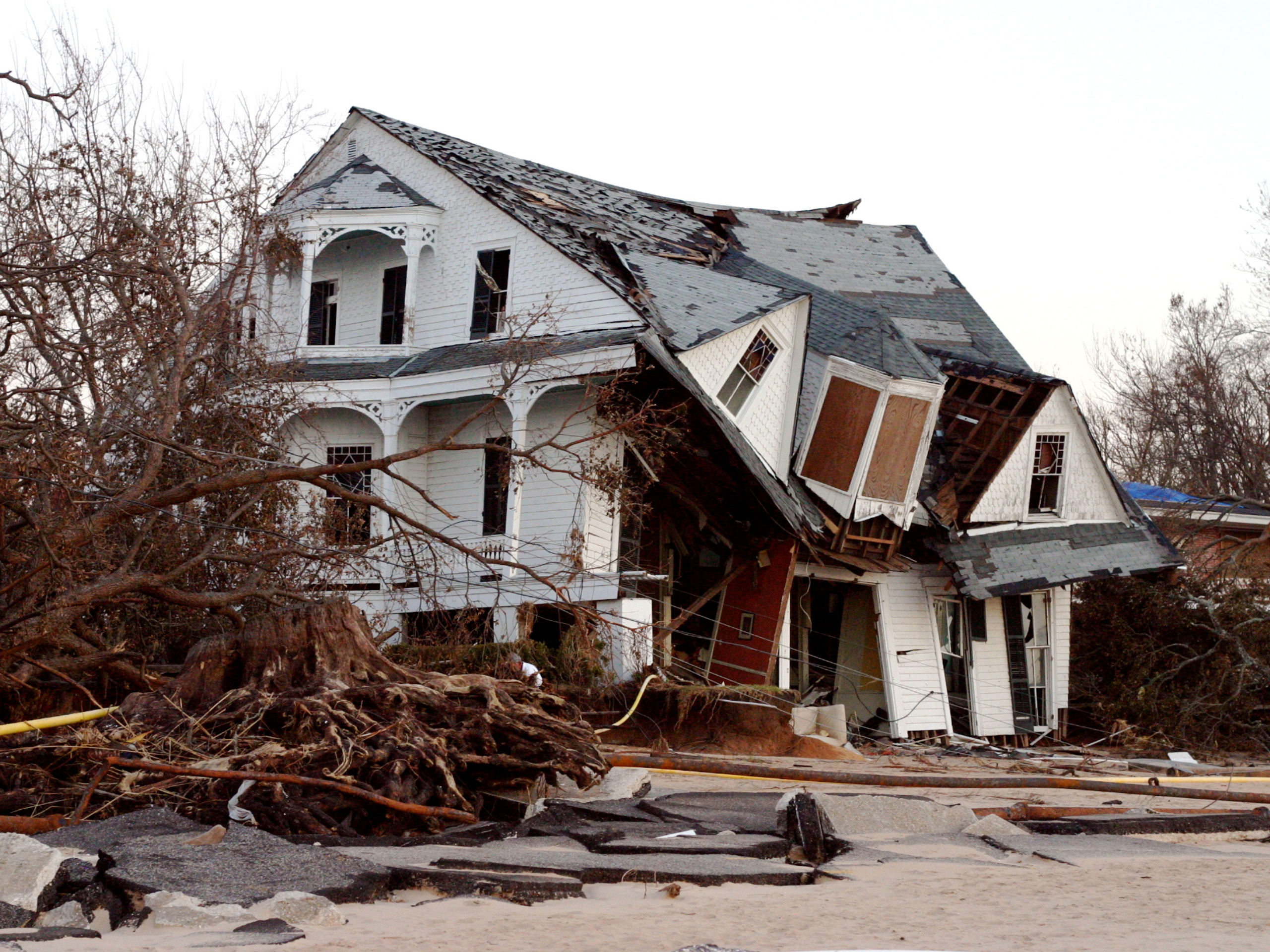
Storms can cause significant damage to your home, leaving you stressed and eager to get everything back to normal. While insurance may cover some of the costs, there are important details many homeowners don’t realize until after the cleanup begins.
At Restoration and Recovery Contractors of America, we’ve seen how storm damage recovery can get complicated—and costly—beyond what insurance policies reveal. Here’s what you need to know before, during, and after storm damage cleanup.
1. Insurance May Not Cover All Damage
Insurance policies vary widely, and many exclude certain types of damage or have limits on coverage. For example:
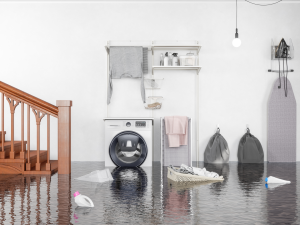
- Flood Damage: Standard homeowners insurance usually excludes flood damage, which requires separate flood insurance.
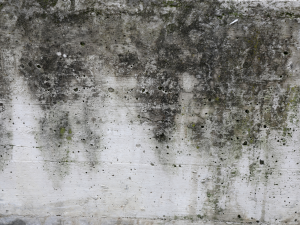
- Mold Growth: If mold develops after storm damage, insurance might not cover mold remediation unless directly caused by a covered peril.
- Wear and Tear: Insurance won’t cover damage resulting from lack of maintenance or gradual deterioration.
2. Deductibles and Claim Limits Can Add Up
You’re responsible for paying deductibles before insurance kicks in, which can be thousands of dollars depending on your policy. Additionally, claim limits may restrict how much you receive for repairs, leaving gaps you must cover.
3. Hidden Damage Often Surfaces Later
Storms can cause hidden damage behind walls, under floors, or in attics that only becomes apparent weeks or months after the event. Insurance adjusters may miss these during initial inspections, requiring further claims or out-of-pocket repairs.
4. Cleanup Costs Can Be Higher Than Expected
Removing debris, drying out structures, repairing roofing, and replacing damaged materials involve specialized equipment and skilled labor. These costs can escalate quickly—sometimes beyond initial insurance estimates.
5. Time Is Critical—Delays Can Cost You
Waiting to begin cleanup increases the risk of secondary damage, like mold growth and structural weakening. Insurance companies may deny claims if you don’t act promptly to mitigate damage.
6. DIY Cleanup Can Hurt Your Claim
Attempting to clean or repair storm damage yourself may inadvertently worsen issues or void your insurance coverage if it violates policy terms.
How to Protect Yourself During Storm Cleanup
- Document all damage with photos and videos before starting cleanup.
- Contact your insurance company promptly and understand your policy coverage.
- Hire licensed and experienced restoration professionals who know insurance procedures.
- Keep detailed records of all repair expenses and communications.
- Address water damage and moisture issues immediately to prevent mold.
Final Thoughts
Storm damage recovery is complex, and insurance only tells part of the story. Being informed about potential pitfalls and hidden costs can save you time, money, and frustration.
For expert storm damage cleanup and guidance through the insurance process, trust Restoration and Recovery Contractors of America to be your reliable partner.