
Water damage lurking behind your walls can be one of the most deceptive and damaging problems in any home. Because these leaks often remain out of sight, they can grow unnoticed for months or even years, leading to structural issues, mold growth, and expensive repairs.
At Restoration and Recovery Contractors of America, we frequently help homeowners uncover and remediate hidden water damage. Early detection is key to minimizing damage, so here are the telltale signs to watch for.
Why Hidden Water Damage Is Dangerous
When water infiltrates behind walls, it can weaken structural components such as wood studs and drywall. Moist environments also encourage mold growth, which affects indoor air quality and poses health risks. The longer water damage remains hidden, the more costly and complicated the repair process becomes.
Common Signs of Water Damage Behind Walls
1. Discoloration and Stains
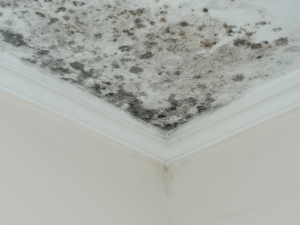
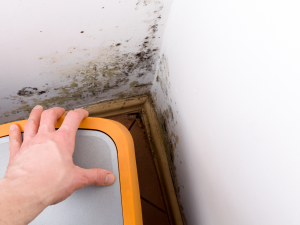
One of the most visible signs is discoloration on your walls or ceiling. Yellow, brown, or rust-colored stains may indicate water has soaked into the drywall or plaster. These stains often grow larger over time.
2. Peeling or Bubbling Paint and Wallpaper
When moisture builds up behind a wall, it causes paint or wallpaper to lose adhesion. You might notice bubbling, cracking, or peeling in areas that seem otherwise normal.
3. Musty or Moldy Odors
Even if you don’t see mold, a persistent musty smell is a strong indicator of hidden moisture and potential mold growth inside walls.
4. Warped or Soft Walls
Walls affected by water damage may feel soft or spongy to the touch. You might also notice warping or bulging, signaling that water has saturated the materials inside.
5. Increased Allergy or Respiratory Symptoms
If you or your family start experiencing unexplained allergy-like symptoms, it could be due to mold spores released from hidden water damage.
6. Higher Water Bills or Unexplained Moisture
Sudden spikes in water bills or visible dampness around baseboards and outlets can indicate leaks behind walls.
How to Confirm Hidden Water Damage
- Use a moisture meter or infrared camera to detect moisture behind walls.
- Look for mold spots or mildew growth in adjoining areas like closets or adjacent rooms.
- Call a professional water damage specialist for a thorough inspection.
What To Do If You Suspect Hidden Water Damage
- Avoid disturbing the area until you know the extent of damage.
- Contact a licensed plumber if you suspect leaking pipes.
- Schedule a professional water damage inspection to assess and plan repairs.
- Document visible signs and odors for insurance purposes.
Preventing Hidden Water Damage
- Regularly inspect your home for leaks or moisture, especially after heavy rain or plumbing repairs.
- Maintain gutters and downspouts to direct water away from your home’s foundation.
- Install water leak detectors near plumbing and appliances.
- Address any visible signs of damage immediately.
Final Thoughts
Hidden water damage behind walls can silently compromise your home’s safety and your family’s health. Recognizing early warning signs and acting quickly can save you from costly repairs down the line.
At Restoration and Recovery Contractors of America, we provide expert inspections and restorations to protect your home from hidden water damage.