When it comes to protecting your home from fire, smoke alarms and escape plans are essential—but there’s another tool that often gets overlooked: the fire extinguisher.
Having a properly maintained extinguisher, and knowing how to use it, can be the difference between a small incident and a devastating disaster. At Restoration & Recovery Contractors of America, we’ve seen firsthand how early action with an extinguisher can significantly reduce property damage, minimize health risks, and even save lives.
Here’s how fire extinguishers play a critical role in limiting fire damage—and how to use them correctly.
Fire Extinguishers Buy You Time and Control
Most house fires start small. A pan catches fire on the stove, a candle tips onto a curtain, or an overloaded outlet begins to spark. In these early moments, a fire extinguisher can stop the fire from spreading, preventing it from escalating into a full-blown structural fire.
In the hands of a calm, informed homeowner, a fire extinguisher provides control and response time before the fire department arrives. This quick action can:
- Contain the fire to a single room or area
- Prevent flames from reaching walls, ceilings, and structural materials
- Reduce the amount of smoke and soot released into the home
That means less damage, lower repair costs, and a much smoother restoration process.
Less Fire Means Less Smoke and Soot Damage
Even if flames are quickly extinguished, the smoke they produce can travel fast—staining walls, contaminating furniture, and settling into HVAC systems. But if the fire is put out within seconds or minutes using an extinguisher, the amount of smoke released is drastically reduced.
That has a lasting impact. Less smoke means:
- Fewer lingering odors
- Lower risk of respiratory issues for your family
- Less extensive (and costly) professional cleaning later
Many homeowners don’t realize that smoke is often more damaging than flames, especially in a confined space. A fire extinguisher tackles both at the source.
The Right Extinguisher Can Prevent Re-Ignition
There are multiple types of fire extinguishers, each designed for different materials. Using the right one doesn’t just put out the flames—it helps prevent the fire from starting again.
Here’s a quick guide:
- Class A: For ordinary combustibles (wood, paper, cloth)
- Class B: For flammable liquids (oil, gasoline, grease)
- Class C: For electrical fires
- Class K: For commercial kitchen fires (fats and oils)
- ABC-rated extinguishers handle all of the above and are ideal for home use
When the wrong extinguisher is used—like water on a grease fire—it can actually make the fire worse. But the right one suppresses the fire safely and completely.
Proper Use Is Key: The PASS Method
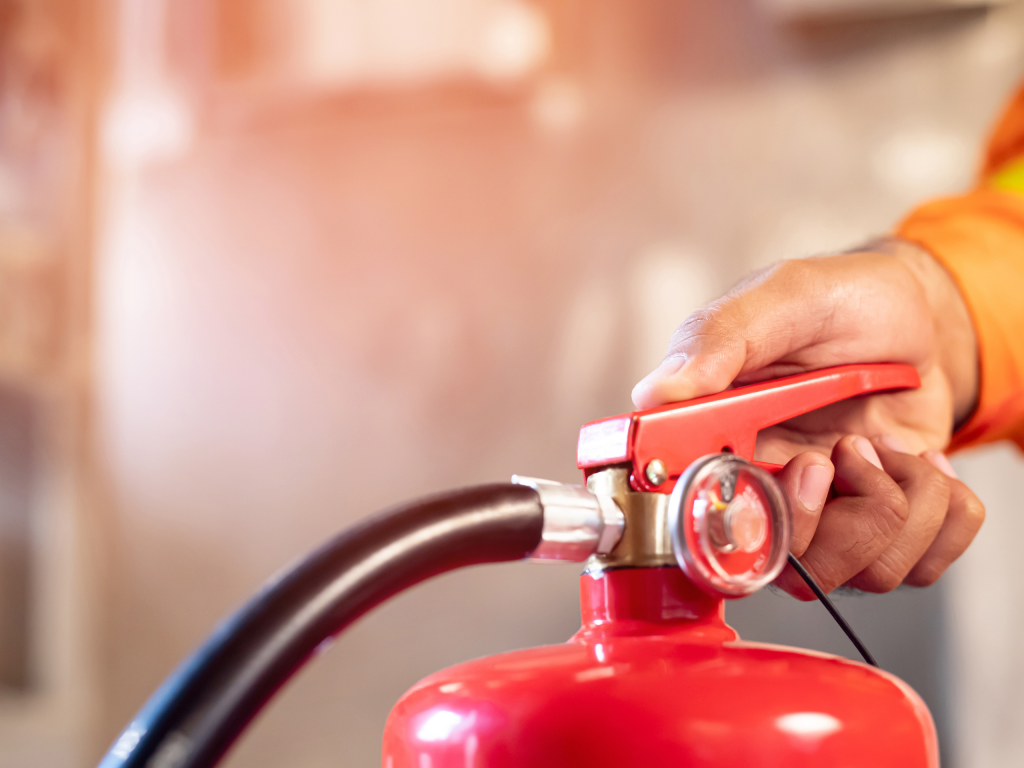
A fire extinguisher is only effective if you know how to use it. That’s why every homeowner should be familiar with the PASS method:
- Pull the pin
- Aim low at the base of the fire
- Squeeze the handle
- Sweep from side to side
Take a moment to read the label on your extinguisher and ensure everyone in your home knows where it’s located and how to use it. Quick, confident action makes all the difference.
Extinguishers Can Reduce Insurance Costs and Claims
From an insurance perspective, the faster you contain a fire, the less damage you’ll need to report—and the less likely you are to need extensive cleanup and repairs.
Homeowners who successfully extinguish small fires often:
- Avoid full coverage claims
- Reduce out-of-pocket costs for smoke remediation
- Experience shorter restoration timelines
Having fire extinguishers on-site and in working condition can also be viewed favorably by some insurance providers, helping to maintain or reduce your premiums.
Don’t Forget: Extinguishers Need Maintenance
An extinguisher tucked in a closet for 10 years might not do you any good in a crisis. Make sure to:
- Check pressure gauges monthly
- Replace or recharge expired units (typically every 5–12 years)
- Keep them in easily accessible areas: kitchen, garage, laundry room, near exits
A non-functional extinguisher during a fire is more than frustrating—it’s dangerous.
Conclusion: A Small Tool That Makes a Big Difference
A fire extinguisher might seem like a minor addition to your home’s safety setup, but in the right moment, it can be absolutely life-saving. From stopping flames before they spread, to reducing smoke and soot damage, it’s one of the most cost-effective ways to minimize fire-related destruction.
At Restoration & Recovery Contractors of America, we always recommend our clients equip their homes with working fire extinguishers—and receive professional restoration support if a fire does occur.
🧯 Fire Already Happened? We Can Help.
If you’ve experienced fire or smoke damage, call RRCA at 850-754-9957 for fire and smoke cleanup.